From Evidence to Action: Connecting Plastic and Biodiversity in Vietnam

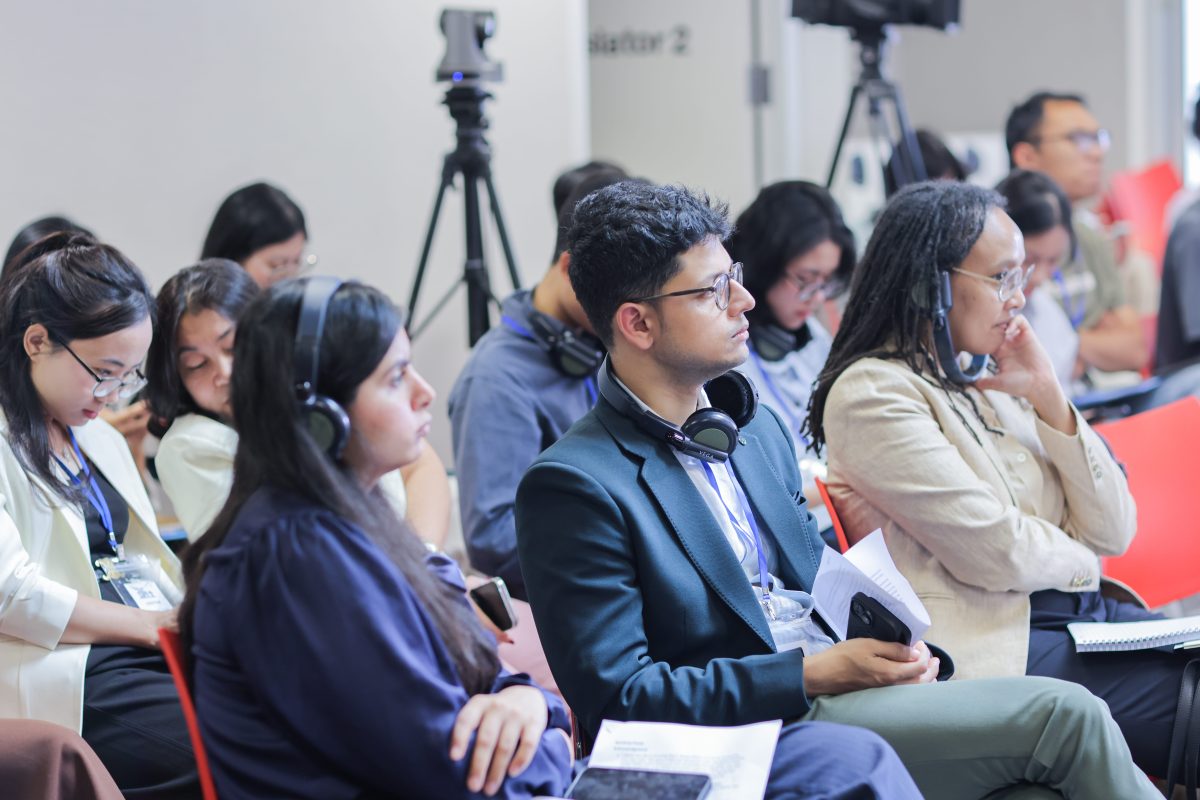
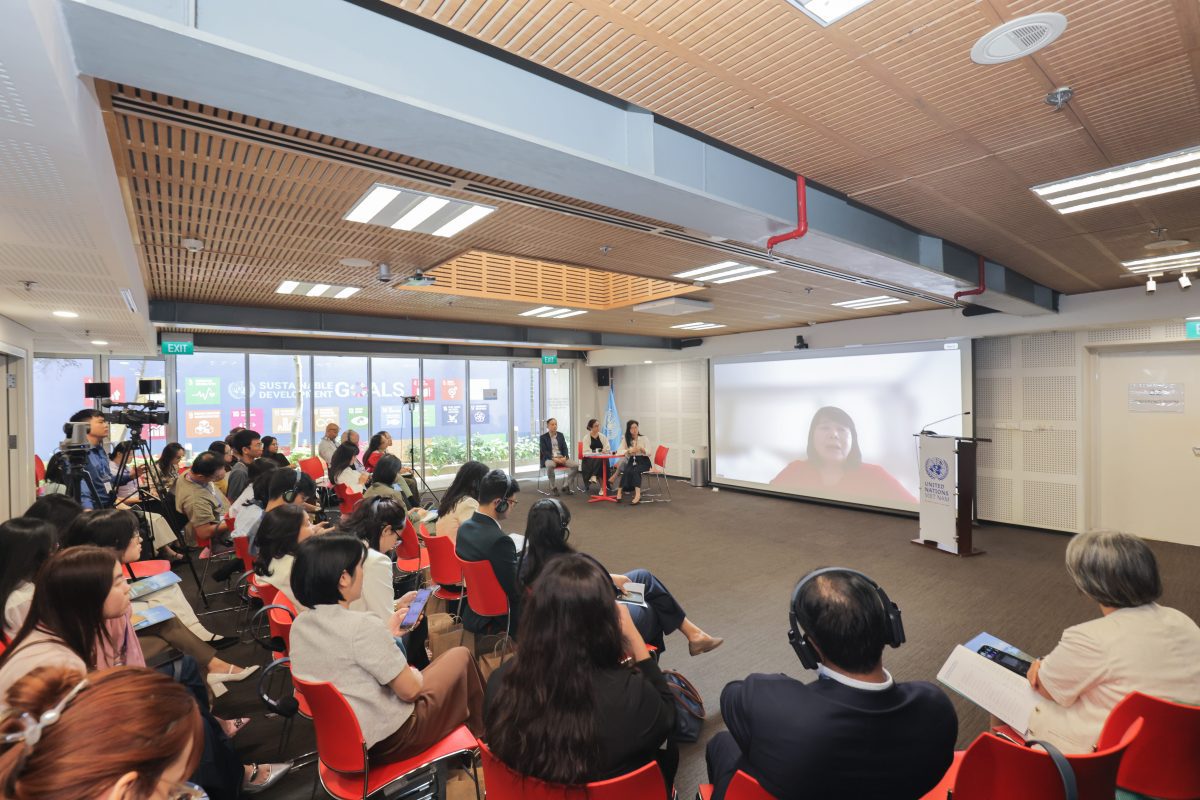
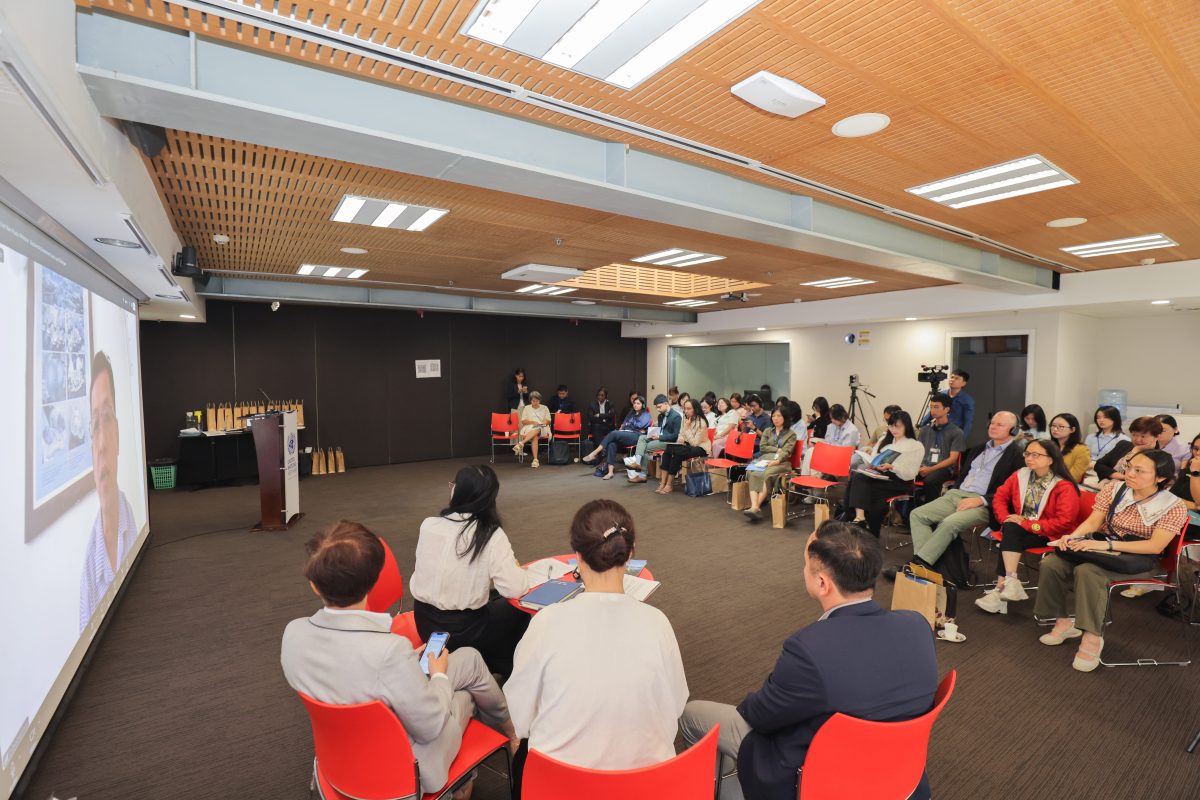
On the morning of 17 March 2026, at the Green One UN House (Hanoi), the event "Report Launch and Multi-Stakeholder Dialogue: Plastic Pollution and Biodiversity in Vietnam" took place, bringing together government agencies, international organisations, research institutes, businesses and civil society organisations. The event was jointly organised by the Global Plastic Action Partnership (GPAP) and the Vietnam National Plastic Action Partnership (NPAP), with technical support from GreenU.
In order to promote evidence-based policymaking, the Plastic Pollution – Biodiversity Assessment report, funded by the Government of Canada, provided an integrated perspective on the impact of plastic pollution on biodiversity, ecosystem services and local livelihoods in Vietnam. The study links plastic leakage data with Key Biodiversity Areas (KBAs) and socio-economic factors, thereby identifying ecological and economic "hotspots", from coral reefs and mangrove forests to fisheries resources and coastal tourism.
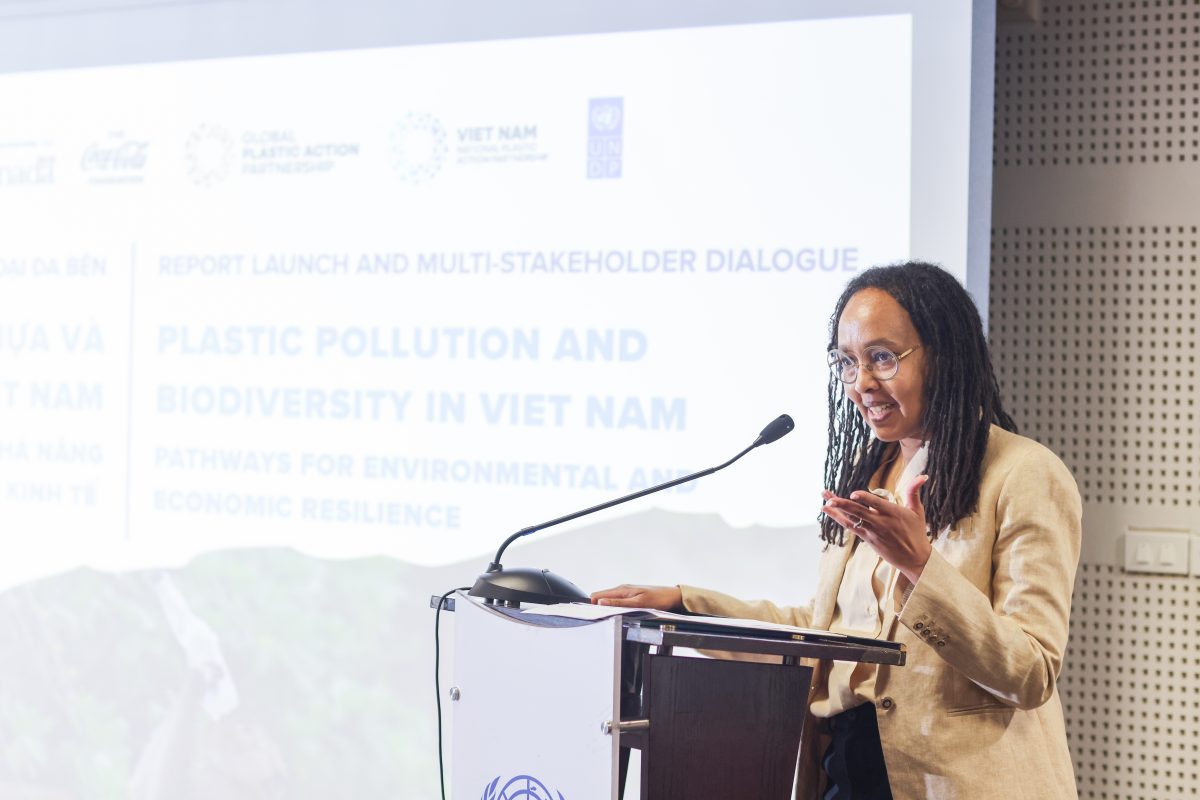
Speaking at the event, Ms Khadija Jarik – First Secretary of the Embassy of Canada in Vietnam – emphasised that this was a timely and meaningful study in the context of increasingly growing environmental challenges. According to her, addressing plastic pollution and biodiversity loss at the same time not only brings environmental benefits but also creates synergistic impacts for climate action and sustainable development.
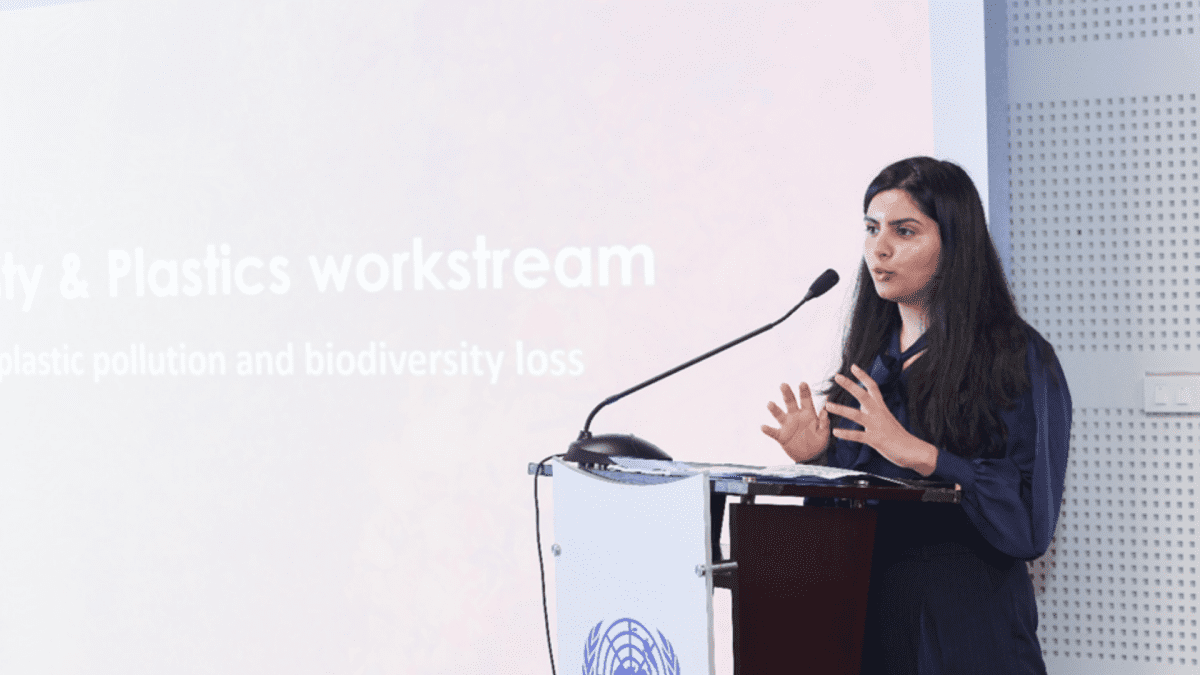
Serving as the organisation carrying out the research, GreenU worked closely with domestic and international experts to develop the report. At the event, Ms Nguyen Thi Thu Trang, Director of GreenU and also the research team leader, personally presented the key findings, offering in-depth analyses and an integrated perspective on the relationship between plastic pollution and biodiversity in Vietnam.
The Assessment of the Impact of Plastic on Biodiversity report highlights:
- More than approximately 1,500 tonnes of plastic waste are discharged into the environment every day, of which about 186 tonnes per day enter rivers and marine ecosystems.
- Plastic pollution is concentrated in major river basins, deltas and coastal hotspots, including the Red River Delta, the Mekong Delta and key marine areas.
- Mangrove forests, seagrass beds and coral reefs are both refuges for biodiversity and areas of plastic accumulation, increasing long-term ecological risks.
- Microplastics have been widely detected in fish and shellfish, indicating their presence in the food chain linked to human consumption.
- The impacts extend beyond the natural sphere – affecting fisheries, aquaculture, tourism and vulnerable communities, especially informal workers and coastal residents.

At the same time:
- Vietnam has made important progress through the 2020 Law on Environmental Protection (EPR, circular economy orientation).
- More than 115 initiatives (2020-2025) have mobilised USD 1-1.5 billion, shifting from clean-up activities to system-level solutions.
- However, gaps in policy remain, implementation is uneven and monitoring systems are still limited, which remain the main challenges.
Highlights from the speakers:
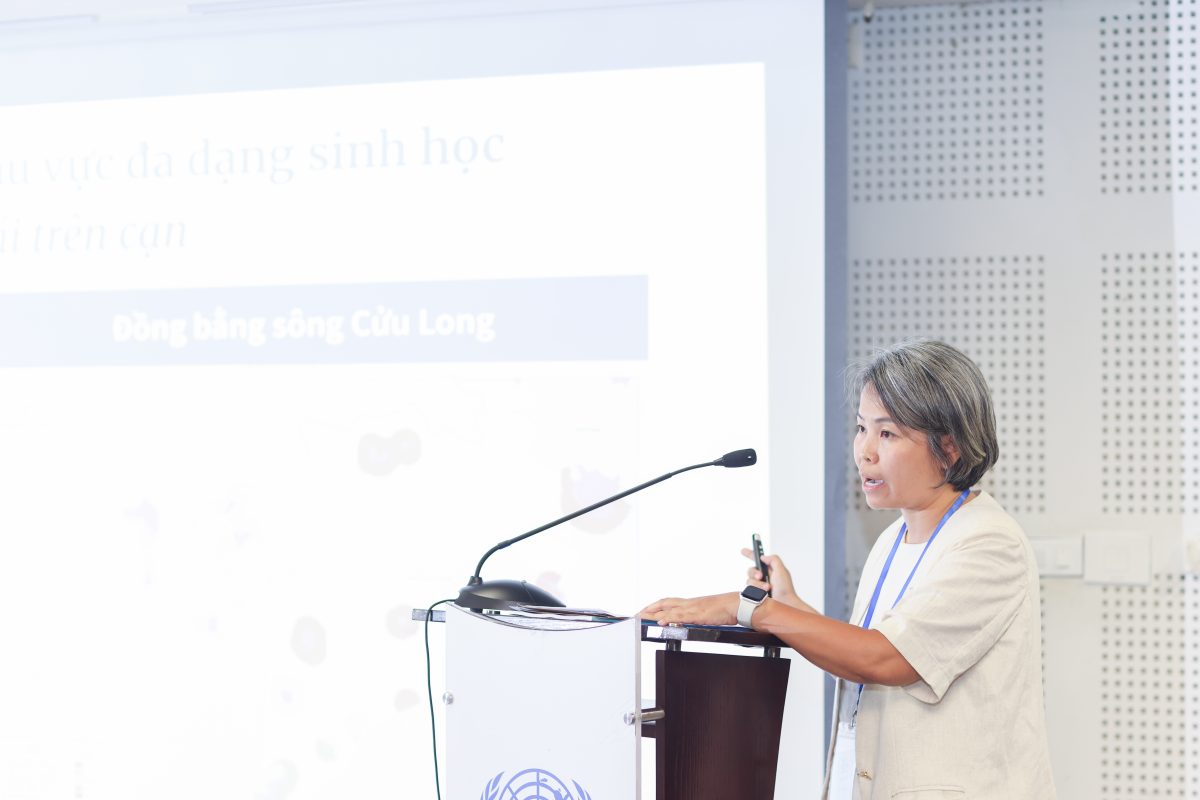
- Assoc. Prof. Dr Ngo Thi Thuy Huong (Phenikaa University) emphasised the need to strengthen the science-policy linkage and coordinate efforts to turn science into practice.
- Mr Do Minh Phuong (Department of Digital Transformation, Ministry of Agriculture and Environment) pointed out the opportunities offered by Artificial Intelligence (AI) and Big Data to transform research on plastic pollution – biodiversity.
- Ms Nguyen Thi Thu Huyen (UNDP/GEF Small Grants Programme) shared experiences in designing small-scale, effective and scalable financial mechanisms to create greater impact.
- Ms Bui Dang Duyen Mai (Coca-Cola Vietnam & Cambodia) emphasised the role of the private sector in reducing the impact of plastic across the value chain and investing in circular economy solutions.
- Mr Huynh Ngoc Dien (Cu Lao Cham Marine Protected Area) brought practical insights into community- and ecosystem-based initiatives that have been delivering measurable impact on the ground.


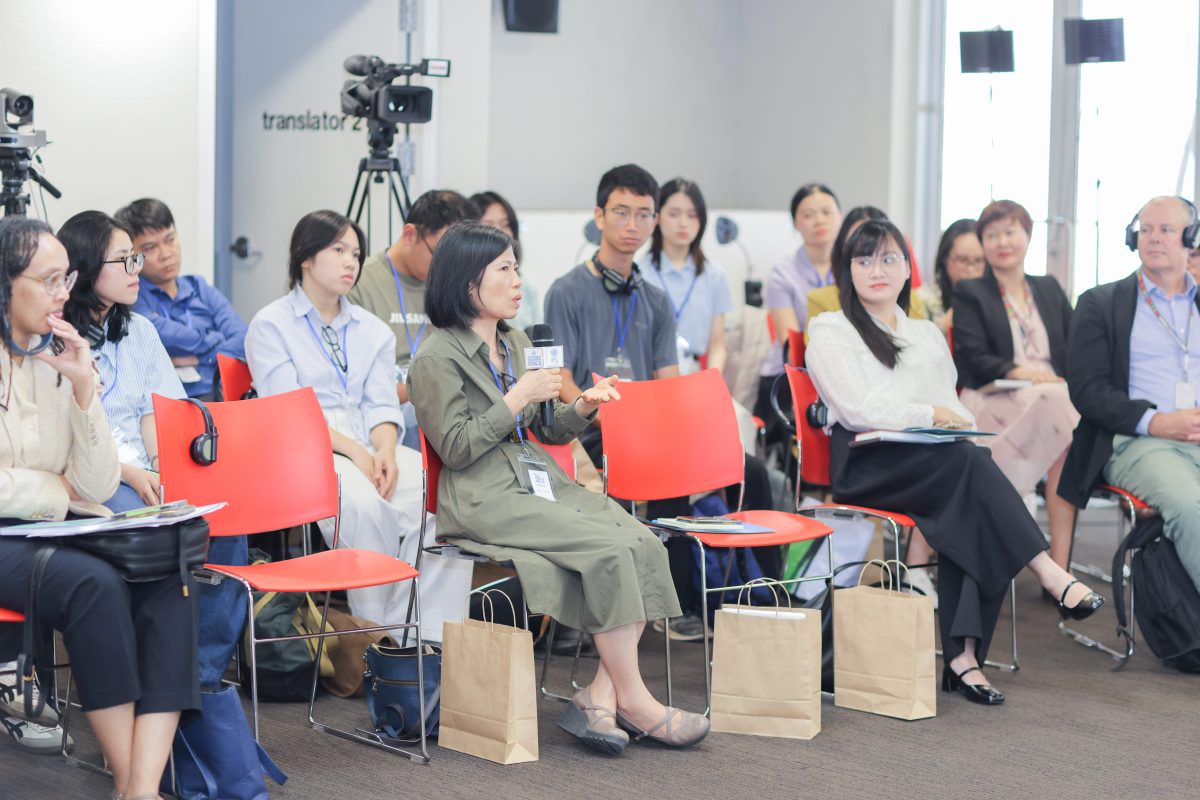
The overarching message of the event was clear: systematic, science-based and comprehensive solutions are needed, and collaboration is the key to addressing the impact of plastic pollution on biodiversity.
We sincerely thank all speakers and participants for advancing this important dialogue.
Read next


Are you a funder, organisation or business looking to create change with us? Get in touch.